How to Choose a Masquerade Mask That Feels Comfortable All Night
What Makes a Mask Comfortable
When people search for a comfortable masquerade mask, they usually mean one thing: a mask that disappears into the experience instead of becoming the main character. The best version feels secure, looks elegant, and lets you breathe, speak, and smile without the constant urge to lift it off for a break.
Comfort starts with weight. A lighter mask is not automatically better, but a well-balanced one is. If the decoration pulls forward from the face, the nose bridge and cheeks end up carrying too much of the load. A good design spreads that weight more evenly across the forehead, temples, or strap system so the mask stays put without digging in.
Material matters too. Smooth finishes, softened backing, and skin-friendly edges are often the difference between a lovely accessory and a piece you are desperate to remove halfway through the first drink. If you have sensitive skin, choose surfaces that will not scratch, snag, or trap too much heat. For long events, breathability is worth more than elaborate detail.
Fit also affects how confident you feel. A mask that slips every time you turn your head can make you self-conscious, even if it looks beautiful in the mirror. That is why the most wearable styles tend to combine visual drama with practical structure. If you are still deciding on style and finish, browsing the homepage is a good way to compare the overall range, then narrow down to the designs that suit your event.
For a second opinion on fit and wearability, style editors at Brides and wedding planners at The Knot both emphasise comfort when choosing finishing pieces for long celebrations. That advice applies here too: if it is pinching in the fitting room, it will not magically improve after dinner.
How to Find the Right Fit
The right fit begins with the shape of your face and the kind of event you are attending. A masquerade mask that sits beautifully on one person can feel awkward on another because the distance between the eyes, the width of the cheekbones, and the height of the nose bridge all change how the mask rests. That is why a one-style-fits-all approach rarely works for all-night wear.
If the mask uses a strap, start by checking whether it can be adjusted without leaving pressure marks. The strap should hold the mask in place, not clamp your head. If it uses a stick, the balance point matters even more, because you will be supporting it by hand between photos and conversations. If you expect to wear the mask for hours, a hands-free style is usually the more comfortable option.
Think about your hair and your glasses as well. An elegant mask can turn irritating fast if it clashes with a hairstyle, sits on the arms of your glasses, or keeps sliding into your makeup. Try it on with the same hairstyle you plan to wear on the night. If you are pairing it with a formal outfit, the collections page can help you compare different finishes and silhouettes side by side before you commit.
Face coverage also changes comfort. Eye masks and half masks tend to feel lighter because they leave the lower face free and allow more airflow. Full-face styles create more drama, but they can feel warmer, especially in packed venues or humid weather. If the event is formal and long, choose the lightest structure that still gives you the look you want.
Finally, do not underestimate trial wear. Even a five-minute test at home will tell you a lot. Turn your head, smile, talk, and look down at your phone. If the mask still feels fine after that mini test, it is far more likely to survive a full evening. If you want to read more practical styling advice, the about us page explains the brand approach and can help you understand how the range is selected.
Styles That Stay Comfortable
Not every masquerade mask is built the same way, and that is good news. The most comfortable option for you depends on whether you want subtle elegance, bold theatre, or a balance of both. Some styles are better for long wear because they are naturally lighter or less face-hugging than others.
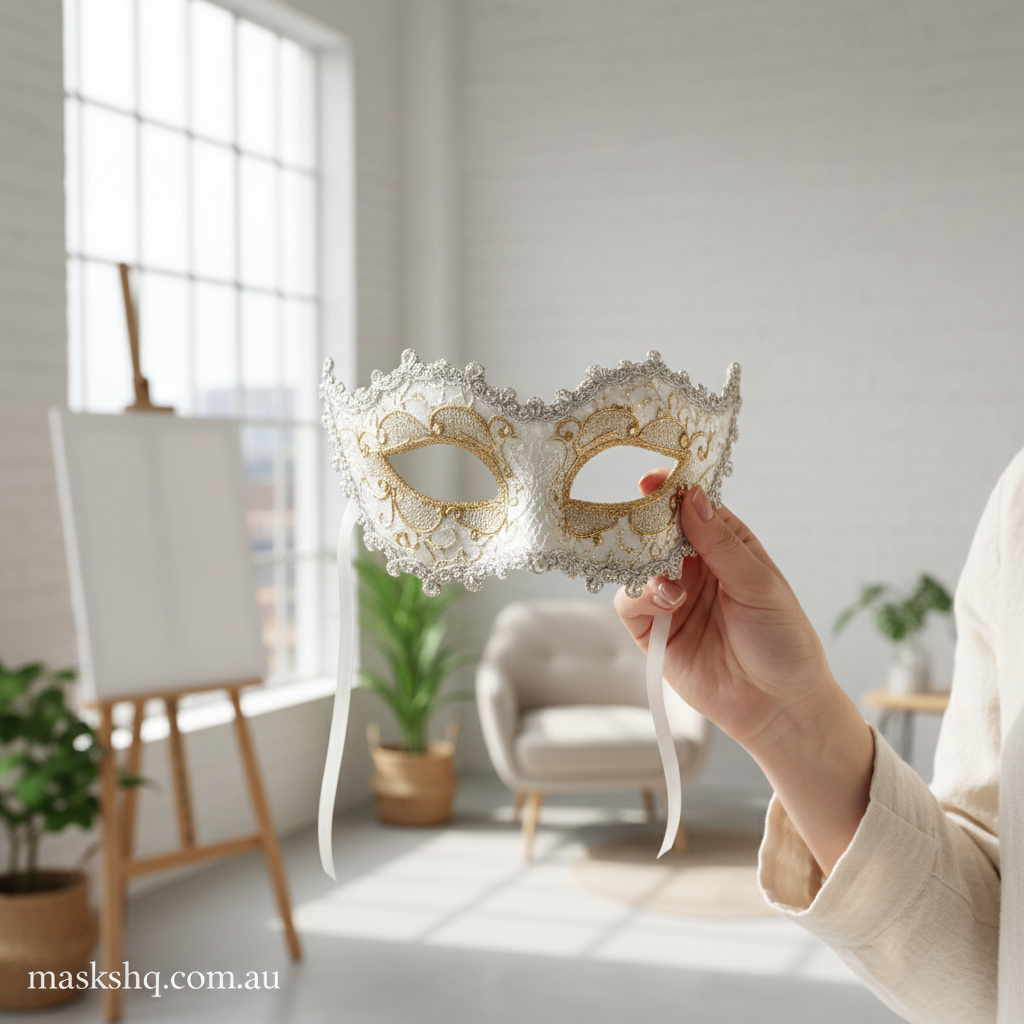
Eye masks are often the easiest to wear for extended periods. They frame the upper face without covering too much skin, so they feel airy and easy to talk in. Lace styles can be especially forgiving because they tend to be flexible and feather-light. If you want a refined look that still feels easy, these are strong candidates.
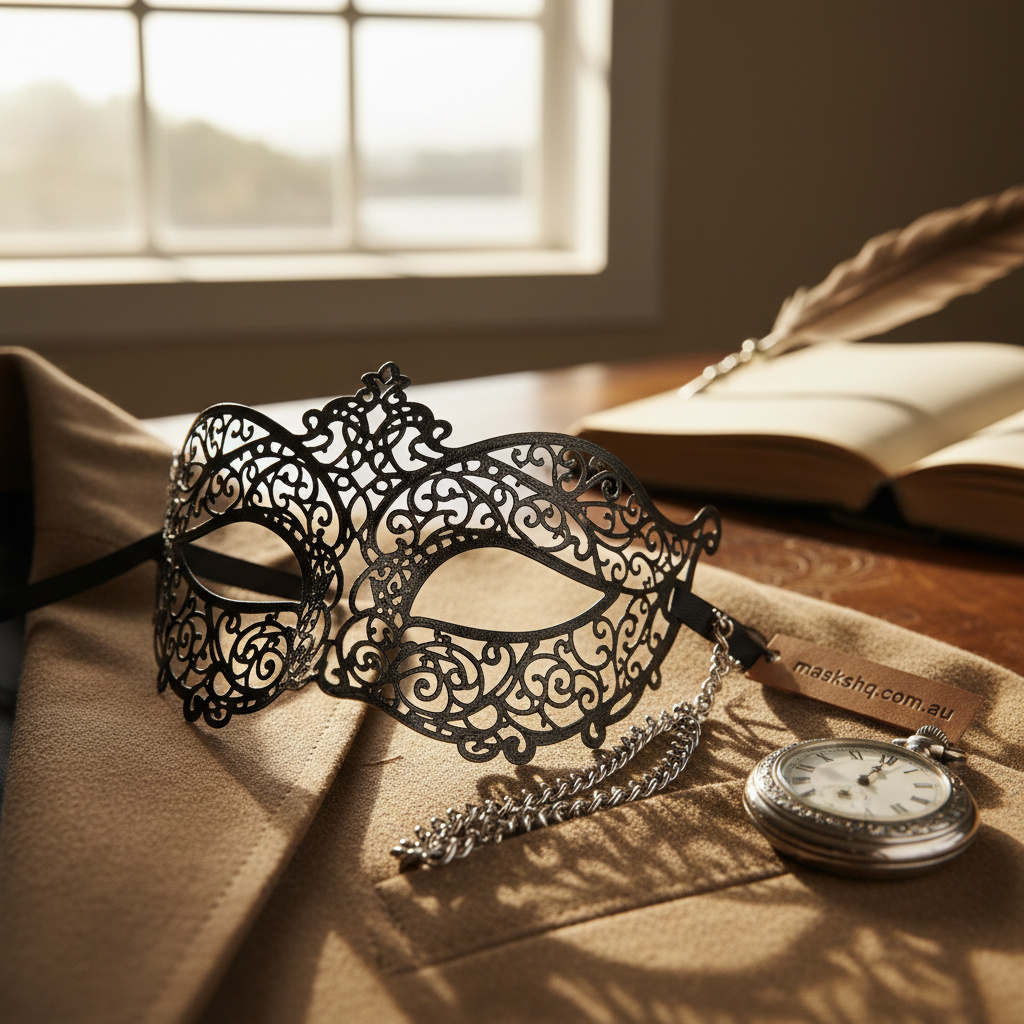
Metal filigree masks deliver a more sculptural feel and can look incredibly polished, but quality matters. A well-made metal mask should have smooth edges and enough contour to sit comfortably. Cheap versions often press awkwardly around the temples. If you are looking for something with a little more presence, browse the blog for style inspiration and then compare the pieces that match your outfit and venue.
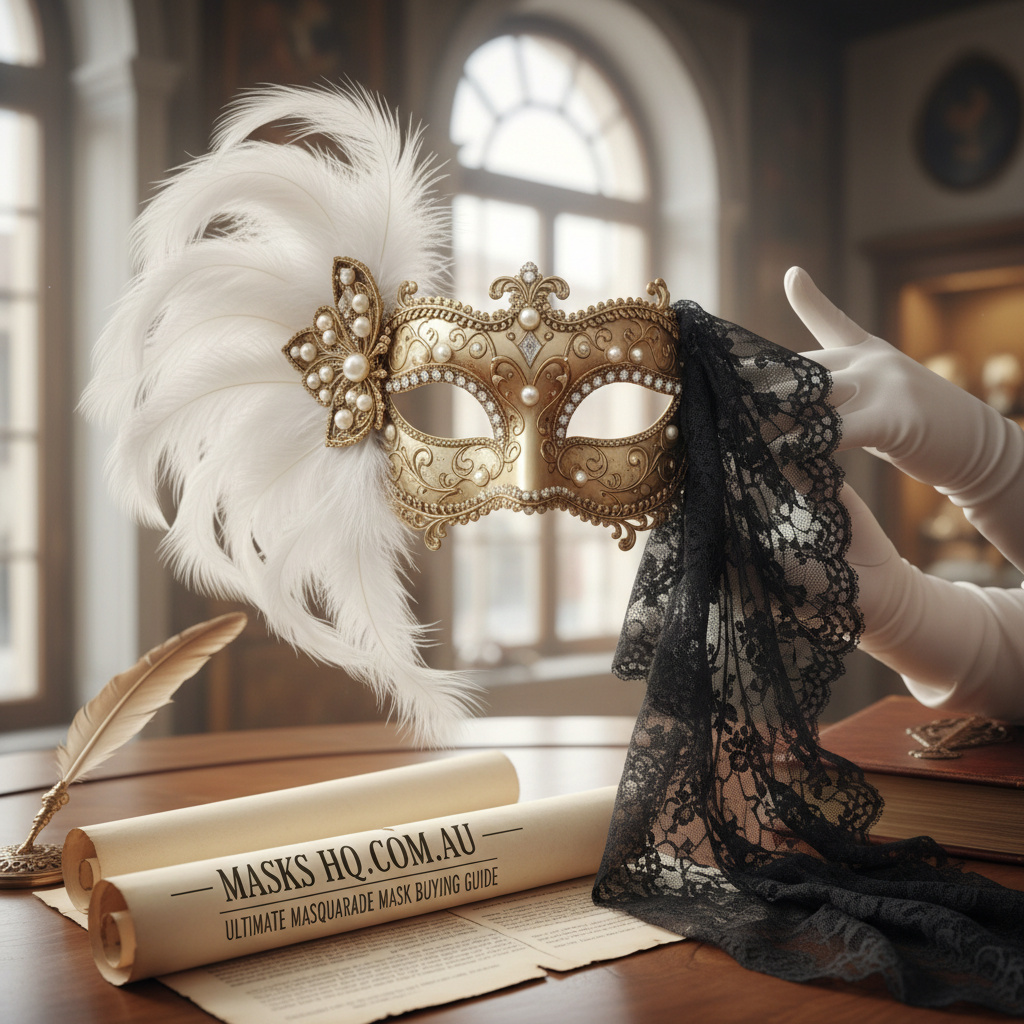
Full-face and feathered designs bring more drama, which can be perfect for galas, themed balls, or black-tie parties. The trade-off is that they are usually warmer and more noticeable on the face. That does not make them bad choices; it just means you should think through the full evening. For a formal dance floor, a mask that looks magnificent for one hour may not be the best answer for five.
If you want a practical way to decide, ask yourself how much of the night will be spent sitting, standing, dancing, or taking photos. A mask that works for a seated dinner may not be the one you want for a crowded reception. Style should support the event, not fight it.

Fashion authorities such as Vogue often note that proportion and finish are what make an accessory feel intentional rather than forced. That is a useful lens here: a mask should work with the rest of the look, not compete with it for attention.
What to Check Before You Buy
Before you buy, look past the sparkle. The most comfortable masquerade mask is usually the one with thoughtful construction hidden under the decorative surface. Check the backing, the edge treatment, the closure, and the amount of bend or give in the frame. Small details matter once the event starts and you are no longer thinking about the mask in a dressing room.
Pay attention to the nose area first. That is where many masks go wrong. If the bridge is too narrow or the curve is too stiff, the mask can press into the top of the nose and create a hot spot within minutes. A better shape will rest more naturally and leave enough room for normal expressions. You should be able to laugh without feeling the mask shift into your eyes.
Next, consider ventilation and temperature. A hot room, strong lights, and hours of conversation can make even a beautiful piece feel oppressive if it traps heat. If the event is likely to run long, choose a design with a lighter profile or more open space around the mouth and cheeks. For inspiration on event styling and finishing details, you can also compare trends on Martha Stewart Weddings, which often focuses on polished looks that still feel practical.
Also think about how the mask will pair with your outfit and hairstyle. A busy dress with a heavy mask can feel overworked. A clean, elegant design may actually look more expensive because it leaves room for the rest of the outfit to breathe. If you are building a full look, start at the collections page, then work backwards from the event tone: romantic, dramatic, classic, or playful.
Finally, read the product details and imagine the whole night. Will you be wearing it for a cocktail hour, a full gala, a wedding reception, or a themed birthday? The longer the event, the more important it becomes to choose comfort over impulse. A mask that feels slightly too ornate in the shop can turn into a regret by dessert.
Expert Tips for All-Night Wear
The professionals tend to think in terms of prevention. They know that comfort is easier to preserve than to rescue later. If you want your mask to stay comfortable all night, begin by trying it on well before the event. Wear it while you are getting ready, moving around the house, and checking your outfit in different lighting. That short rehearsal will reveal problems early.
If the mask is slightly too snug, do not assume you need to give up on it. Sometimes the issue is simple pressure in one spot. A small adjustment to the strap, a little padding at the contact point, or a lighter hairstyle can make a dramatic difference. The goal is to reduce friction, not to force the mask to do something it was never designed to do.
Makeup can help or hurt comfort. Heavy, wet products can make the skin feel sticky under a mask, while long-wear powder and setting spray can keep things smooth. If you are wearing false lashes or bold eye makeup, make sure the mask edge does not collide with them when you blink. The best look is the one that stays intact without constant maintenance.
Bring a tiny repair kit if the event matters. A spare pin, a small strip of fashion tape, and a soft cloth can rescue a night if the mask shifts or rubs. The same goes for storage: keep the mask in a protective case so it does not bend before you ever put it on. If you want more practical planning ideas, the blog is a useful place to start, and the homepage gives you a fast overview of the current range.
Most importantly, choose the mask for the night you actually have, not the night you imagine in your head. A comfortable mask will let you enjoy the event instead of managing it. That is what separates a stylish accessory from a truly wearable one.
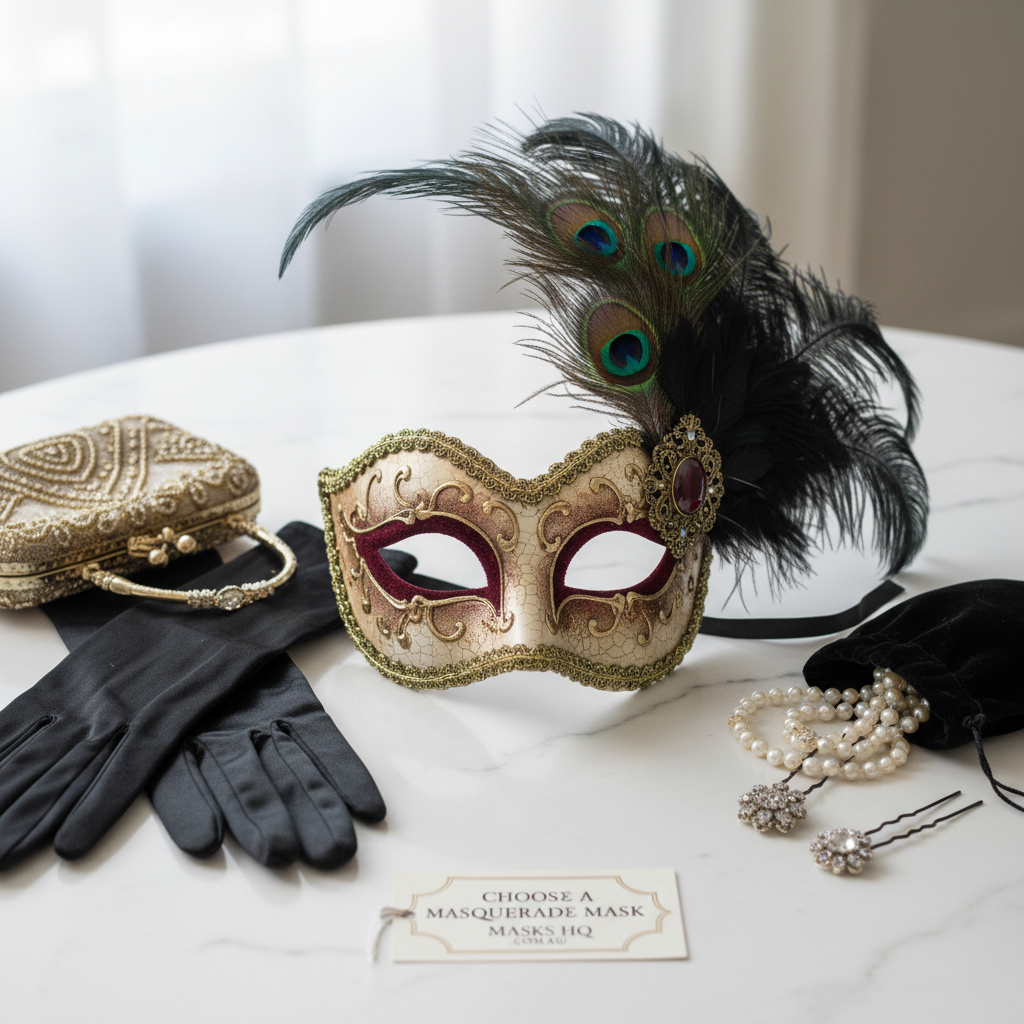
If you are comparing multiple looks, the simplest rule is this: the right mask should feel like it belongs to the outfit from the first minute. If you keep fidgeting in the mirror, move on. Comfort is not a luxury at a masquerade event; it is the difference between enjoying the room and counting the minutes until you can take the thing off.
Frequently Asked Questions
What is the best comfortable masquerade mask?
The best comfortable masquerade mask is usually lightweight, balanced, and adjustable. Look for smooth edges, a secure fit, and a shape that does not press into the nose or temples during normal movement.
How do I know which mask is right for me?
Start with your event, your hairstyle, and how long you expect to wear it. Then test the mask for a few minutes at home and check whether you can talk, smile, and turn your head without constant adjustment.
What should I look for when buying a mask?
Check the material, the backing, the closure, and the amount of pressure on the face. A good mask should feel secure but never tight, and it should still feel comfortable after a short trial wear.
Are there budget-friendly options?
Yes. Budget-friendly masks can still be comfortable if the construction is sound. Focus on fit and finish first, because a simple mask with good balance will often outperform a flashy one that was made too cheaply.
References & Sources
- Brides — Wedding style and accessory guidance
- The Knot — Wedding planning and styling advice
- Martha Stewart Weddings — Elegant event planning inspiration
- Vogue — Fashion trends and accessory styling
What Makes a Mask Comfortable
When people search for a comfortable masquerade mask, they usually mean one thing: a mask that disappears into the experience instead of becoming the main character. The best version feels secure, looks elegant, and lets you breathe, speak, and smile without the constant urge to lift it off for a break.
Comfort starts with weight. A lighter mask is not automatically better, but a well-balanced one is. If the decoration pulls forward from the face, the nose bridge and cheeks end up carrying too much of the load. A good design spreads that weight more evenly across the forehead, temples, or strap system so the mask stays put without digging in.
Material matters too. Smooth finishes, softened backing, and skin-friendly edges are often the difference between a lovely accessory and a piece you are desperate to remove halfway through the first drink. If you have sensitive skin, choose surfaces that will not scratch, snag, or trap too much heat. For long events, breathability is worth more than elaborate detail.
Fit also affects how confident you feel. A mask that slips every time you turn your head can make you self-conscious, even if it looks beautiful in the mirror. That is why the most wearable styles tend to combine visual drama with practical structure. If you are still deciding on style and finish, browsing the homepage is a good way to compare the overall range, then narrow down to the designs that suit your event.

For a second opinion on fit and wearability, style editors at Brides and wedding planners at The Knot both emphasise comfort when choosing finishing pieces for long celebrations. That advice applies here too: if it is pinching in the fitting room, it will not magically improve after dinner.
How to Find the Right Fit
The right fit begins with the shape of your face and the kind of event you are attending. A masquerade mask that sits beautifully on one person can feel awkward on another because the distance between the eyes, the width of the cheekbones, and the height of the nose bridge all change how the mask rests. That is why a one-style-fits-all approach rarely works for all-night wear.
If the mask uses a strap, start by checking whether it can be adjusted without leaving pressure marks. The strap should hold the mask in place, not clamp your head. If it uses a stick, the balance point matters even more, because you will be supporting it by hand between photos and conversations. If you expect to wear the mask for hours, a hands-free style is usually the more comfortable option.
Think about your hair and your glasses as well. An elegant mask can turn irritating fast if it clashes with a hairstyle, sits on the arms of your glasses, or keeps sliding into your makeup. Try it on with the same hairstyle you plan to wear on the night. If you are pairing it with a formal outfit, the collections page can help you compare different finishes and silhouettes side by side before you commit.
Face coverage also changes comfort. Eye masks and half masks tend to feel lighter because they leave the lower face free and allow more airflow. Full-face styles create more drama, but they can feel warmer, especially in packed venues or humid weather. If the event is formal and long, choose the lightest structure that still gives you the look you want.
Finally, do not underestimate trial wear. Even a five-minute test at home will tell you a lot. Turn your head, smile, talk, and look down at your phone. If the mask still feels fine after that mini test, it is far more likely to survive a full evening. If you want to read more practical styling advice, the about us page explains the brand approach and can help you understand how the range is selected.
Styles That Stay Comfortable
Not every masquerade mask is built the same way, and that is good news. The most comfortable option for you depends on whether you want subtle elegance, bold theatre, or a balance of both. Some styles are better for long wear because they are naturally lighter or less face-hugging than others.
Eye masks are often the easiest to wear for extended periods. They frame the upper face without covering too much skin, so they feel airy and easy to talk in. Lace styles can be especially forgiving because they tend to be flexible and feather-light. If you want a refined look that still feels easy, these are strong candidates.
Metal filigree masks deliver a more sculptural feel and can look incredibly polished, but quality matters. A well-made metal mask should have smooth edges and enough contour to sit comfortably. Cheap versions often press awkwardly around the temples. If you are looking for something with a little more presence, browse the blog for style inspiration and then compare the pieces that match your outfit and venue.
Full-face and feathered designs bring more drama, which can be perfect for galas, themed balls, or black-tie parties. The trade-off is that they are usually warmer and more noticeable on the face. That does not make them bad choices; it just means you should think through the full evening. For a formal dance floor, a mask that looks magnificent for one hour may not be the best answer for five.
If you want a practical way to decide, ask yourself how much of the night will be spent sitting, standing, dancing, or taking photos. A mask that works for a seated dinner may not be the one you want for a crowded reception. Style should support the event, not fight it.

Fashion authorities such as Vogue often note that proportion and finish are what make an accessory feel intentional rather than forced. That is a useful lens here: a mask should work with the rest of the look, not compete with it for attention.
What to Check Before You Buy
Before you buy, look past the sparkle. The most comfortable masquerade mask is usually the one with thoughtful construction hidden under the decorative surface. Check the backing, the edge treatment, the closure, and the amount of bend or give in the frame. Small details matter once the event starts and you are no longer thinking about the mask in a dressing room.
Pay attention to the nose area first. That is where many masks go wrong. If the bridge is too narrow or the curve is too stiff, the mask can press into the top of the nose and create a hot spot within minutes. A better shape will rest more naturally and leave enough room for normal expressions. You should be able to laugh without feeling the mask shift into your eyes.
Next, consider ventilation and temperature. A hot room, strong lights, and hours of conversation can make even a beautiful piece feel oppressive if it traps heat. If the event is likely to run long, choose a design with a lighter profile or more open space around the mouth and cheeks. For inspiration on event styling and finishing details, you can also compare trends on Martha Stewart Weddings, which often focuses on polished looks that still feel practical.
Also think about how the mask will pair with your outfit and hairstyle. A busy dress with a heavy mask can feel overworked. A clean, elegant design may actually look more expensive because it leaves room for the rest of the outfit to breathe. If you are building a full look, start at the collections page, then work backwards from the event tone: romantic, dramatic, classic, or playful.
Finally, read the product details and imagine the whole night. Will you be wearing it for a cocktail hour, a full gala, a wedding reception, or a themed birthday? The longer the event, the more important it becomes to choose comfort over impulse. A mask that feels slightly too ornate in the shop can turn into a regret by dessert.
Expert Tips for All-Night Wear
The professionals tend to think in terms of prevention. They know that comfort is easier to preserve than to rescue later. If you want your mask to stay comfortable all night, begin by trying it on well before the event. Wear it while you are getting ready, moving around the house, and checking your outfit in different lighting. That short rehearsal will reveal problems early.
If the mask is slightly too snug, do not assume you need to give up on it. Sometimes the issue is simple pressure in one spot. A small adjustment to the strap, a little padding at the contact point, or a lighter hairstyle can make a dramatic difference. The goal is to reduce friction, not to force the mask to do something it was never designed to do.
Makeup can help or hurt comfort. Heavy, wet products can make the skin feel sticky under a mask, while long-wear powder and setting spray can keep things smooth. If you are wearing false lashes or bold eye makeup, make sure the mask edge does not collide with them when you blink. The best look is the one that stays intact without constant maintenance.
Bring a tiny repair kit if the event matters. A spare pin, a small strip of fashion tape, and a soft cloth can rescue a night if the mask shifts or rubs. The same goes for storage: keep the mask in a protective case so it does not bend before you ever put it on. If you want more practical planning ideas, the blog is a useful place to start, and the homepage gives you a fast overview of the current range.
Most importantly, choose the mask for the night you actually have, not the night you imagine in your head. A comfortable mask will let you enjoy the event instead of managing it. That is what separates a stylish accessory from a truly wearable one.

If you are comparing multiple looks, the simplest rule is this: the right mask should feel like it belongs to the outfit from the first minute. If you keep fidgeting in the mirror, move on. Comfort is not a luxury at a masquerade event; it is the difference between enjoying the room and counting the minutes until you can take the thing off.
Frequently Asked Questions
What is the best comfortable masquerade mask?
The best comfortable masquerade mask is usually lightweight, balanced, and adjustable. Look for smooth edges, a secure fit, and a shape that does not press into the nose or temples during normal movement.
How do I know which mask is right for me?
Start with your event, your hairstyle, and how long you expect to wear it. Then test the mask for a few minutes at home and check whether you can talk, smile, and turn your head without constant adjustment.
What should I look for when buying a mask?
Check the material, the backing, the closure, and the amount of pressure on the face. A good mask should feel secure but never tight, and it should still feel comfortable after a short trial wear.
Are there budget-friendly options?
Yes. Budget-friendly masks can still be comfortable if the construction is sound. Focus on fit and finish first, because a simple mask with good balance will often outperform a flashy one that was made too cheaply.