FREE EXPRESS SHIPPING on AU orders $59+ EASY RETURNS 60 days to return or exchange EXPRESS POST dispatched Mon–Fri

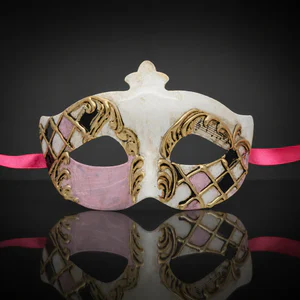
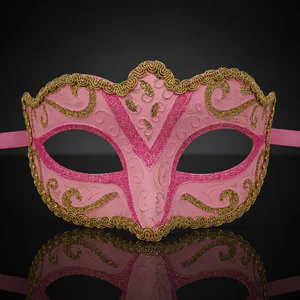
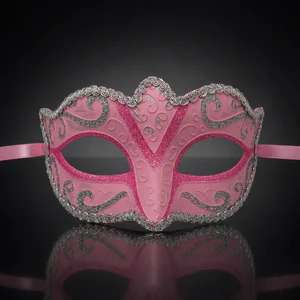
Venetian masks, known for their intricate designs and rich history, are a captivating symbol of mystery and allure. These exquisite creations have adorned the faces of Venetians for centuries, originating during the medieval period when they were used to break down social barriers and allow people to enjoy a sense of anonymity. Today, Venetian masks continue to enchant us with their beauty and enigmatic charm, making them an essential element of various celebrations and events.
The history of Venetian masks traces back to Venice, Italy, where they were an integral part of the city's vibrant culture. During the Venetian Carnival, which dates back to the 13th century, masks were worn by people from all walks of life. These masks allowed wearers to disguise their identities and engage in playful interactions without fear of judgment. The Carnival became an elaborate and extravagant event, with people donning elaborate costumes and masks to celebrate before the solemn period of Lent.
One of the most remarkable aspects of Venetian masks is the intricate artistry and craftsmanship that goes into creating them. Skilled artisans meticulously handcraft each mask, paying attention to every detail, from the delicate shaping of the mask's form to the intricate hand-painted designs that adorn its surface. These masks are often made from materials like papier-mâché, porcelain, or metal, and they showcase a wide array of designs, from elaborate feathered masks to simple yet elegant styles.
Venetian masks hold deeper meanings beyond their ornamental beauty. They are often associated with the idea of liberation, allowing wearers to temporarily transcend societal roles and expectations. The mask's ability to conceal one's identity also reflects the complex nature of human emotions and the duality of human personalities. In the context of celebrations and events, Venetian masks evoke a sense of fantasy, encouraging participants to immerse themselves in a world of magic and enchantment.
While Venetian masks have historical roots, they have also found a place in modern society. These masks are no longer limited to the Venetian Carnival; they are now embraced worldwide as symbols of elegance and mystique. Venetian-style masquerade balls have become popular social events, offering people the opportunity to step into a world of opulence and fantasy. Additionally, Venetian masks are often used as decorative pieces in home interiors, adding a touch of sophistication and intrigue to any space.
In conclusion, Venetian masks are more than just decorative accessories; they are cultural treasures that embody the rich history and artistic heritage of Venice. Their historical significance, meticulous craftsmanship, and timeless allure make them a captivating symbol of mystery and elegance. Whether worn during traditional celebrations or displayed as works of art, Venetian masks continue to captivate our imagination and remind us of the enchanting allure of the past.
Venetian Masks are the decorated shapes most people picture when they think of a masquerade, with painted bases finished in patterning and gilt detail. The in-stock range covers classic diamond and harlequin patterns, high point shapes, La Musica designs with music note detailing, Pulcinella styles and vibrant multi-coloured pieces. Gold is the strongest colour by some way, followed by white, black, green, red, purple and cream, with aqua blue and orange there in smaller numbers for anyone after something less expected. Most of them are half masks that leave the mouth free, which is what makes them practical across a long evening rather than only for the photographs taken at the door.
Narrow it down with Colombina Masks for the classic decorated half mask, Gold Masquerade Masks for warm metallic finishes, or Half Face Masquerade Masks to compare every shape you can eat and drink in.
Also worth a look in this range: Black Venetian Mask, Black and Gold Pulcinella Mask with Music Note Pattern, Music Note Pattern Silver and Black Pulcinella Mask, Light Pink and Gold Venetian Mask with Black and Gold Outline, Detailed Authentic Venetian Mask, Full Face Devil Authentic Venetian Mask and Gold Musical Authentic Masquerade Mask.
A Venetian mask is a decorated mask in the styles associated with Venice and its carnival: a shaped base finished with paint, patterning and gilt detail. The best known names are the Colombina half mask, the full face Bauta and the long-nosed Pulcinella, along with harlequin and diamond patterns that appear across this range.
Masquerade mask is the general term for any mask worn to a masked ball. Venetian mask describes one family within that: the shapes and finishes named after Venice, such as the Colombina, the Bauta, the Pulcinella and the harlequin patterns. Every Venetian mask is a masquerade mask, but not every masquerade mask is Venetian.
The names you will see used are Colombina, the decorated half mask that leaves the mouth free; Bauta, the full face shape; Pulcinella, the long-nosed comic design; and harlequin, the diamond patterned style. This range also carries high point shapes and La Musica designs finished with a music note pattern.
They are the masks associated with the Venice carnival, and the same shapes are what most people picture when they think of a masquerade ball. In Australia they turn up at balls, school and university formals, themed weddings and gala dinners, where a decorated half mask suits an evening of eating and talking.
A half mask in gold, black or cream with fine patterning is the safest choice for black tie, because it carries detail without covering the whole face. Diamond and harlequin patterns read well under evening lighting. Keep the bolder multi-coloured designs for a costume-led party rather than a formal ball.
No products in the cart.